
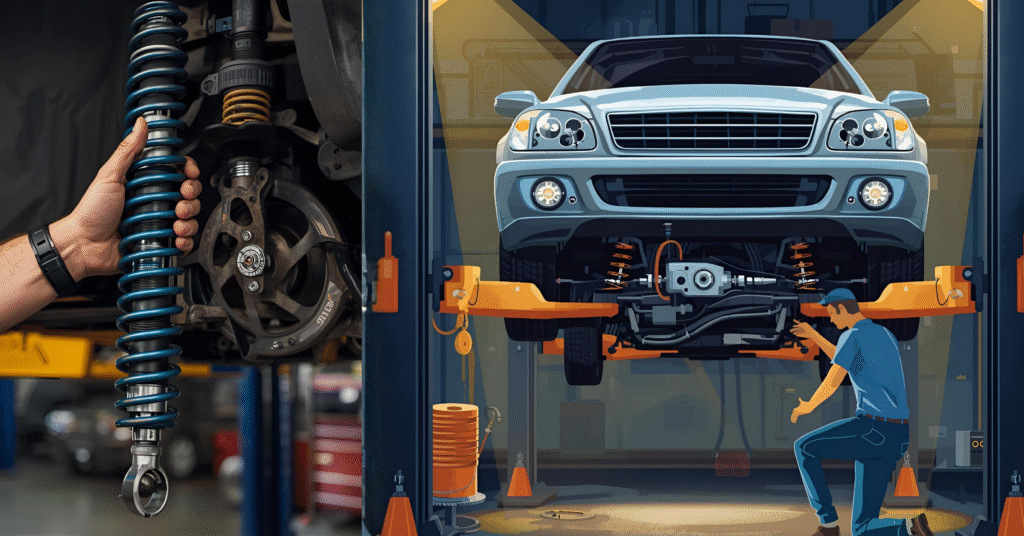
Your car’s shock absorbers and suspension system play a crucial role in ensuring a smooth, safe, and controlled driving experience. While many car owners focus on tires, brakes, and engine maintenance, neglecting the suspension can lead to discomfort, uneven tire wear, and even serious safety risks. Understanding how your suspension works, recognizing warning signs, and knowing when to replace components can save money and protect you on the road. In this guide, we’ll cover everything you need to know about shock absorbers and suspension systems.
What Are Shock Absorbers and Suspension?
Shock Absorbers
Shock absorbers are hydraulic devices that control the impact and rebound of your vehicle’s springs and suspension. They absorb bumps and vibrations from uneven roads, ensuring that your tires maintain contact with the surface.
Suspension System
The suspension system includes springs, shock absorbers, struts, control arms, and other components that connect your vehicle’s wheels to the chassis. It helps maintain stability, improves handling, and provides comfort during driving.
Together, the suspension and shocks allow your car to handle turns, bumps, and uneven surfaces safely while keeping passengers comfortable.
Why Suspension Maintenance is Important
Safety
A worn-out suspension affects braking, steering, and stability. In emergencies, it may increase stopping distance or cause loss of control, putting you and passengers at risk.
Tire Life
Faulty shocks or suspension components can cause uneven tire wear, reducing tire lifespan and leading to additional costs.
Comfort
A compromised suspension system results in a bumpy, uncomfortable ride. Even minor road imperfections feel more pronounced when shocks are worn.
Vehicle Longevity
Properly maintained suspension reduces strain on other components, including the chassis, steering, and tires, extending your car’s overall life.
Common Signs Your Shock Absorbers or Suspension Need Replacement
a) Bumpy Ride
If your car feels unusually bouncy or rough over small bumps, it indicates worn shocks or struts.
b) Nose Diving During Braking
A forward tilt or “nose dive” when braking is a sign that the front shocks are failing.
c) Excessive Body Roll or Lean
During turns, your car may lean more than usual. This could indicate worn suspension components affecting stability.
d) Uneven Tire Wear
Suspension issues can lead to tires wearing unevenly or developing bald spots, indicating the need for inspection.
e) Leaking Fluid
Oil or hydraulic fluid on the exterior of shocks is a clear warning of failure.
f) Knocking or Clunking Noises
Suspension problems often produce unusual sounds when driving over bumps or uneven surfaces.
g) Vehicle Sags to One Side
If one corner of the car appears lower than the others, a spring or strut may be damaged.
Factors That Affect Suspension Longevity
- Road Conditions: Frequent driving on potholes, gravel, or uneven roads accelerates wear.
- Driving Style: Aggressive driving, sudden braking, and sharp turns put extra strain on shocks and suspension.
- Vehicle Load: Overloading your car beyond its recommended weight affects suspension performance.
- Maintenance History: Neglecting regular inspections and servicing reduces suspension lifespan.
Typically, shocks and struts should be inspected every 20,000–40,000 km, but extreme conditions may require earlier replacement.
Replacement Process
Replacing shocks and suspension components requires expertise and precision:
- Inspection: Technicians check for leaks, worn bushings, and overall performance.
- Component Selection: Use high-quality or OEM parts, like Bosch-certified shocks and struts.
- Installation: Proper installation ensures alignment and performance.
- Wheel Alignment: After replacement, a full alignment ensures even tire wear and proper handling.
At Delmo Car Care Bosch Service Center, our trained professionals perform accurate inspections, use genuine parts, and ensure your vehicle is safe and comfortable after service.
DIY vs. Professional Replacement
While minor checks can be done at home, shock and suspension replacement is best left to professionals. Misalignment, incorrect installation, or substandard parts can compromise safety and increase costs. A certified service center guarantees quality, expertise, and precision.
Tips to Extend Suspension Life
- Drive Carefully: Avoid potholes and reduce speed on rough roads.
- Regular Inspections: Check shocks, struts, and springs periodically for wear and damage.
- Maintain Proper Tire Pressure: Balanced tires reduce stress on suspension.
- Avoid Overloading: Stick to the manufacturer’s recommended weight limits.
- Follow Service Schedules: Replace worn parts as recommended to prevent further damage.
Benefits of Timely Shock and Suspension Replacement
- Improved Safety: Reliable braking, steering, and stability reduce accident risk.
- Better Comfort: Smooth, bump-free driving for passengers.
- Extended Tire Life: Even tire wear reduces replacement costs.
- Enhanced Handling: Proper suspension maintains performance during turns, acceleration, and braking.
- Cost Savings: Prevents secondary damage to other components like tires, brakes, and chassis.
Why Choose a Bosch Service Center
Delmo Car Care Bosch Service Center offers:
- Advanced diagnostic tools to detect suspension issues early.
- Genuine Bosch shock absorbers and components for durability.
- Certified technicians with experience in precise installation and alignment.
- Full-service inspections and maintenance to maximize your vehicle’s safety and performance.
Choosing a trusted, certified center ensures that your suspension system performs reliably and your vehicle remains safe on every journey.
Conclusion
Shock absorbers and suspension are critical to your car’s safety, comfort, and performance. Ignoring worn components can lead to unsafe driving, uneven tire wear, and costly repairs. Recognize the warning signs, maintain your suspension system, and rely on professional service centers like Delmo Car Care Bosch Service Center for inspection, replacement, and alignment. Proper care ensures smooth rides, vehicle longevity, and above all, safety for you and your passengers.